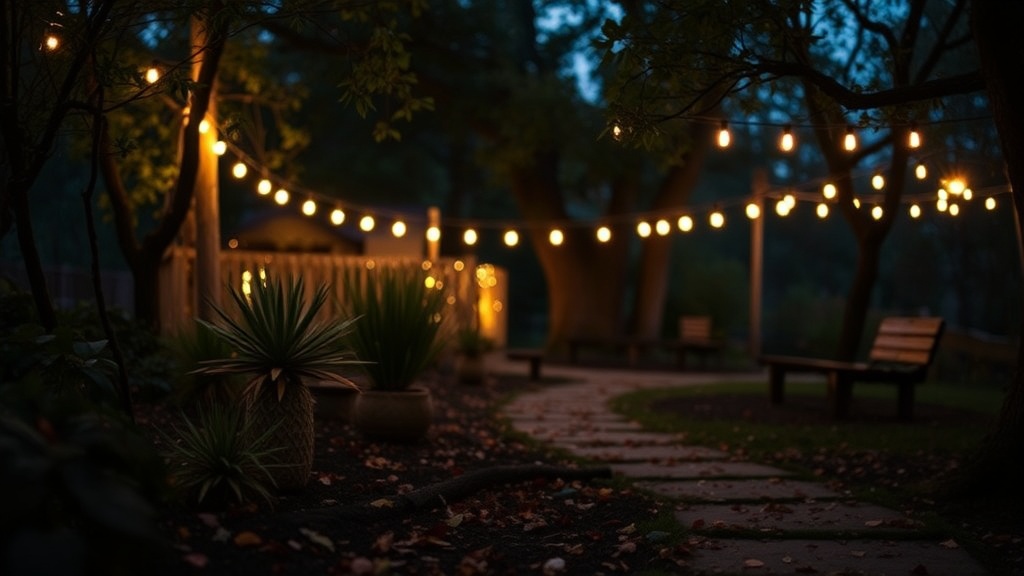
Small Wonders Found in Your Backyard and Local Parks

The Hidden World of Mosses and Lichens
Ant Colonies and Underground Architectures
The Secret Life of Pollinators
Decomposers and the Forest Floor Cycle
A single dewdrop clings to the edge of a mossy stone, refracting the morning light like a tiny, translucent diamond. Beneath it, a colony of lichen clings to the bark of an old maple, displaying intricate patterns of neon green and charcoal grey. These small details define the natural world right outside your door. This post looks at the micro-ecosystems found in residential yards and local parks, explaining why paying attention to the small stuff matters for your connection to nature.
Most people think they need to drive hours to a national park to find something interesting. That isn't true. The real magic often happens at your feet or on the underside of a leaf. You don't need a plane ticket to experience the complexity of the natural world—you just need a better lens and a bit of patience.
What Are the Best Ways to Observe Backyard Wildlife?
The best way to observe backyard wildlife is to create a consistent, low-impact observation station using a comfortable chair and a pair of high-quality binoculars.
You don't need expensive gear to start. A simple bird feeder or a small water feature can change everything. If you hang a bird feeder near a window, you'll see much more than just birds. You'll see the way squirrels interact with the environment and how insects move through the air. I've spent many mornings in my own yard in Fredericton just watching the way the light hits the birdbath. It's surprisingly meditative.
If you want to take it a step further, consider these three methods:
- The Stationary Method: Sit in one spot for at least twenty minutes. Most wildlife will ignore you once they realize you aren't a threat.
- The Macro Method: Use a macro lens on your smartphone or a dedicated camera to look at insects and fungi.
- The Night Method: Use a red-light flashlight to observe nocturnal visitors without disrupting their natural rhythms.
I personally swear by the Nikon Monarch M7 binoculars for mid-range viewing. They're bright enough to see detail even when the sun is low. Even a cheap pair of binoculars is better than nothing. The goal is to notice the movement that you usually walk right past.
It's easy to overlook the sheer volume of life happening in a single square foot of soil. A handful of dirt is a universe of activity. If you look closely at a decaying log, you'll find a whole society of isopods and beetles working away.
How Can You Identify Local Plants and Insects?
You can identify local plants and insects by using mobile applications like iNaturalist or by consulting a physical field guide specific to your region.
Identification is a skill that builds over time. It starts with recognizing a shape or a color, and then it deepens. When I first started, I couldn't tell a weed from a wildflower. Now, I can spot the difference between various species of native grasses in my backyard. It changes how you view your "maintenance" tasks—suddenly, a patch of wildflowers isn't a mess, it's a habitat.
Here is a quick guide to the most common "small wonders" you might encounter in a typical temperate backyard:
| Category | Common Example | What to Look For |
|---|---|---|
| Insects | Monarch Butterfly | Bright orange wings with black veins |
| Fungi | Turkey Tail | Concentric rings of varying colors on wood |
| Plants | Wild Columbine | Red and yellow bell-shaped flowers |
| Small Mammals | Chipmunk | Striped fur and rapid movement |
Don't feel pressured to learn everything at once. Pick one category—maybe it's mosses or dragonflies—and focus on that for a month. Knowledge is cumulative. Once you know what a specific beetle looks like, you'll see it everywhere. It's like a mental upgrade for your vision.
One thing to keep in mind: identification is a great way to track the health of your local environment. If you see a sudden drop in the number of certain insects, it might be a sign of something changing in your local ecosystem. (It's a bit of a heavy thought, but it's true.)
Why Does Backyard Biodiversity Matter?
Biodiversity matters because it creates a resilient ecosystem that can withstand environmental changes and supports local wildlife populations.
A yard filled with only one type of plant is a desert. A yard with a variety of native species is a thriving hub. When you plant things like milkweed or even just leave a pile of leaves in the corner, you're providing a service. You're creating a pit stop for migrating species and a home for local residents. It's a small way to contribute to the larger world.
I've found that the more "wild" I let my edges become, the more life shows up. It's a bit of a paradox—the less you "tidy up," the more interesting the space becomes. You might lose that perfect, manicured lawn look, but you gain a living, breathing landscape.
If you want to learn more about the importance of native species, the National Wildlife Federation offers incredible resources for identifying what belongs in your area. They have a massive database that is incredibly helpful for beginners.
"The smallest thing is often the most important. A single bee can pollinate thousands of flowers, and a single patch of dead wood can house hundreds of insect species."
It's easy to get caught up in the big stuff—the mountains, the oceans, the vast forests. But the mountains are built on the small things. The forest is sustained by the small things. Your backyard is no different.
Next time you're outside, try to slow down. Don't just walk from point A to point B. Stop. Look at the way a spider weaves its web between two branches. Watch how a snail moves across a damp leaf. These aren't just distractions; they're the actual substance of the natural world.
You don't need to go on a massive expedition to find wonder. It's right there. It's under that rock. It's in that patch of moss. It's waiting for you to notice it.