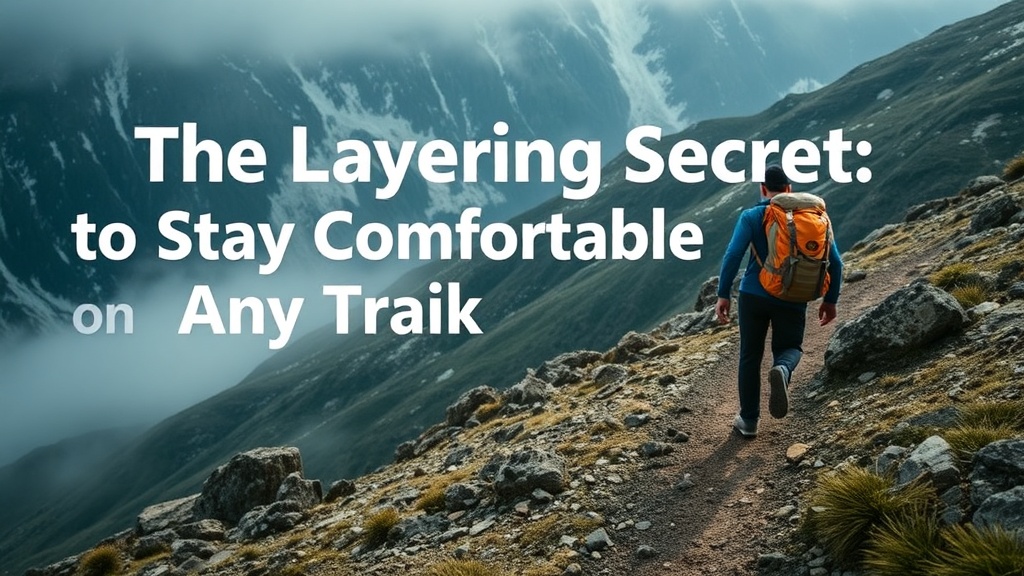
The Layering Secret: How to Stay Comfortable on Any Trail

Quick Tip
Always pack an extra insulating layer even on warm days, as temperatures can drop rapidly at higher elevations or when the sun sets.
What Is the Three-Layer System for Hiking?
The three-layer system is the foundation of comfortable trail wear: a moisture-wicking base layer, an insulating mid-layer, and a weather-resistant outer shell. Get this combination right, and you'll stay dry and warm whether you're climbing Mount Carleton in New Brunswick or walking the Fundy Trail. Here's the thing—most discomfort on the trail comes from sweat, not cold. The layers work together to move moisture away from skin, trap body heat, and block wind or rain.
Which Base Layer Material Actually Works?
Merino wool and synthetic polyester outperform cotton every time. Merino (like the Smartwool Merino 150) regulates temperature, resists odors, and stays warm when damp. Synthetic options—think Patagonia Capilene—dry faster and cost less. The catch? Synthetics hold onto smells after repeated use. Here's a quick comparison:
| Material | Best For | Dry Time | Cost |
|---|---|---|---|
| Merino Wool | Multi-day trips | Moderate | $60-$90 |
| Polyester | High-output activities | Fast | $30-$50 |
| Cotton | Nothing. Avoid it. | Slow | Cheap (don't bother) |
Worth noting: your base layer fits snug against skin. Too loose, and it can't wick moisture effectively.
Do You Really Need a $400 Hard Shell Jacket?
No. A quality hard shell runs $150-$300, and many hikers do fine with soft shells or even windbreakers in mild conditions. The Arc'teryx Beta Jacket ($400) sets the gold standard for waterproofing and breathability. That said, the MEC Synergy ($180) handles most East Coast weather without emptying your wallet.
Your outer layer needs to breathe. Trapped sweat turns to cold during rest stops. Look for pit zips (underarm ventilation) and adjustable hoods that fit over a climbing helmet or tuque. In shoulder season—think April hikes around Killarney Provincial Park—a packable rain jacket stashed in your Osprey Talon 22 beats bulky alternatives.
How Do You Adjust Layers Without Stopping?
You strip or add before you overheat or shiver. The moment you feel warmth building on a climb, peel off that mid-layer. Stopped for lunch on a windy ridge? Throw it back on before you get cold. The three-layer system only works if you actually use it dynamically.
Start hikes slightly cool—you'll warm up within ten minutes. Carry layers in accessible spots (hip belt pockets, outer lid of your pack). Fumbling through your entire bag mid-trail defeats the purpose. In variable Maritime weather, some hikers swear by a lightweight vest as a "micro-layer"—easy on, easy off without breaking stride.
Master the system once, and every trail feels manageable. The mountain doesn't care what brand you're wearing. It cares that you're prepared.